Later
Corporate and fiduciary administration
Independent firms handling layered companies and conflicting records, after the Swiss trust-office wedge is clear.

Ownership determination for complex corporate KYC
In complex KYC, collecting the documents is only the beginning. Who owns and controls the company still has to be reconstructed, and that conclusion still has to be defended.
Ultifact is being built for that work: a source-linked ownership and control case, calculation where the rules allow it, and a record the professional can stand behind.
Who it is for
Layered companies, trusts, conflicting records, and reviews that have to be reconstructed when the facts move.
Primary
For the officer who has to establish ownership and control when the file does not agree with itself, and for the compliance lead who still has to sign off. Keep the current portal, screening provider and review process.
Later
Independent firms handling layered companies and conflicting records, after the Swiss trust-office wedge is clear.
Later
Investor-services work where ownership and control still have to be determined, not only collected.
The job
The records already exist. The remaining work is to establish who owns and controls the company when those records do not say the same thing.
The chain can run through companies, trusts, foundations, nominees and other control arrangements before it reaches a natural person.
Registries, share registers, deeds and structure charts each show only part of the picture. In Switzerland, an AG’s shareholders may sit outside the public register altogether.
Percentages matter, but so do voting rights, appointment powers and other means of control that require judgment.
A missing instrument or a contradictory holding can change who qualifies, or whether the professional can stand behind the file at all.
How we approach it
Ultifact is being built to keep those jobs separate. That is how a later file stays inspectable. It is not a claim that the product is already in production.
Evidence
Retrieve, translate, extract and reconcile. Extracted claims are not treated as accepted facts. Unknown and conflicted states stay visible.
Calculation
Ownership arithmetic and supported rule application stay deterministic. What cannot be calculated is not guessed.
Human custody
Accept, correct, return or escalate stays with the authorised person, attached to the evidence and the rule version used.
The people
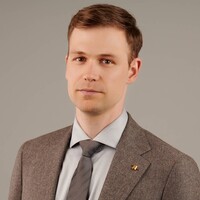
Founder · Zürich, Switzerland
Brecht spent ten years in client-facing roles at BNY Mellon, Intertrust and TMF Group, including six years in senior business development.
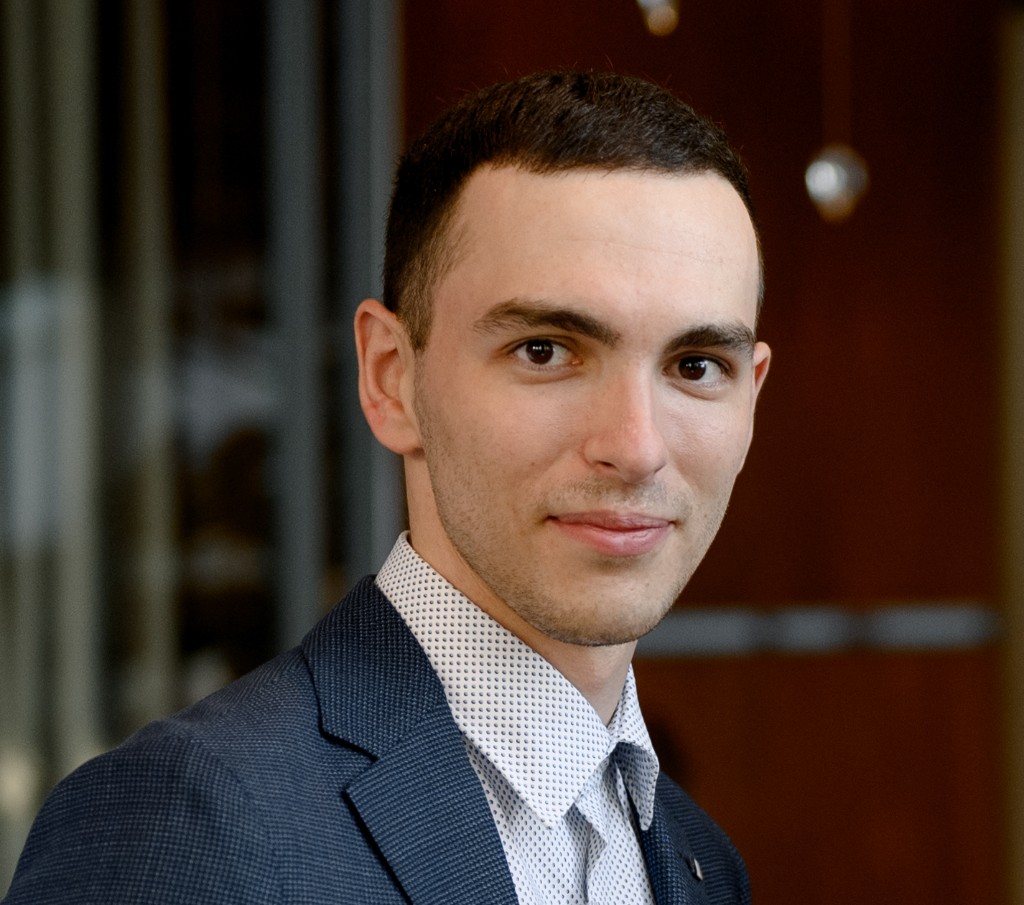
CTO · Tallinn, Estonia
David owns Ultifact’s technical architecture. He has ten years in systems and AI, including payment infrastructure at Tabby and real-time voice and LLM work at Synthflow AI.
Current status
The team is speaking with design partners among independent Swiss trust offices. The first conversation is 30 minutes about a recent difficult case. It is not a product demonstration.
Contact
Name and work email are enough for the first step. If there is a fit, we can talk about next steps.
Name and work email are enough. Firm and role can wait.